Blogs Breast Reconstruction: Restoring Confidence After Cancer drritikabhandari • September 26, 2025 Introduction For many …
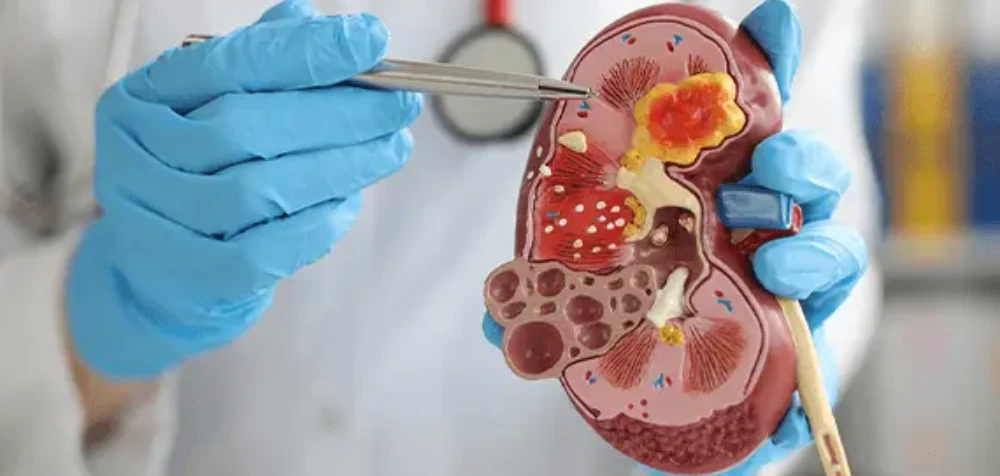
RIRS (Retrograde Intrarenal Surgery) is an advanced minimally invasive laser procedure used to remove kidney stones without any external incision. Using a flexible ureteroscope and a holmium laser, the stones are precisely fragmented and flushed out through natural urinary passageways.
Performed by Dr. Swapnil Gholap, an expert urologist in Chembur, Mumbai, this technique ensures quick recovery, minimal pain, and excellent outcomes — making it one of the safest and most effective treatments for kidney stones.
RIRS is recommended for patients with:
Kidney stones less than 2 cm in size
Stones located deep inside the kidney or upper ureter
Stones resistant to shock wave (ESWL) or medical treatment
Recurrent or residual stones after previous procedures
Patients who are unfit for open or PCNL surgery
It’s also ideal for individuals who prefer scar-free and faster recovery options.
Kidney stones form when minerals and salts in urine crystallize. Common causes include:
Low water intake leading to concentrated urine
High intake of sodium, calcium, or oxalate-rich foods
Urinary tract infections (UTIs)
Obesity or metabolic disorders
Family history of kidney stones
Certain medications or supplements that alter mineral balance
Patients requiring RIRS often experience:
Sharp pain in the lower back, side, or abdomen
Burning or pain while urinating
Blood in urine (hematuria)
Nausea, vomiting, or fever (if infection is present)
Frequent or urgent urination
Difficulty passing urine due to blockage
Step 1: Anesthesia & Preparation
RIRS is performed under general or spinal anesthesia. The patient lies comfortably while the surgeon gains access through the natural urinary tract.
Step 2: Insertion of Flexible Ureteroscope
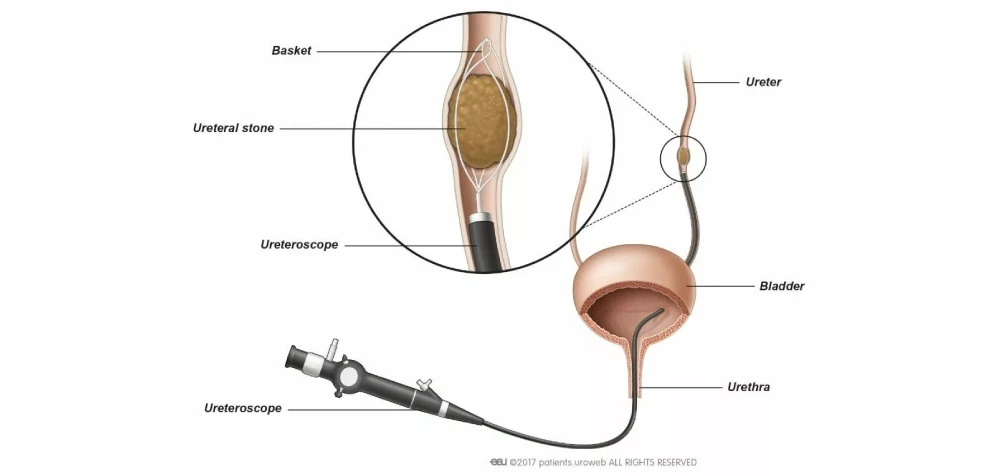
A thin, flexible scope is gently passed through the urethra and bladder into the ureter and kidney.
Step 3: Laser Fragmentation
Using a holmium laser, the kidney stones are precisely fragmented into fine particles or dust.
Step 4: Stone Clearance & Stenting
Tiny fragments are either removed or naturally passed in urine. A temporary stent may be placed to aid healing and drainage.
Step 5: Recovery
The procedure usually takes 60–90 minutes, and patients can often go home the next day.
No external cuts or scars
Minimal blood loss and postoperative pain
Short hospital stay (usually 1 day)
Quick recovery and return to normal routine
High success rate with precise stone removal
Suitable for high-risk patients (diabetics, obese, cardiac patients)
Mild burning or discomfort may occur for 1–2 days.
Drink plenty of water to flush out residual fragments.
Avoid strenuous activity for a few days.
Follow-up visit for stent removal after 1–2 weeks.
Periodic ultrasound or CT scan may be advised to ensure complete clearance.
1. Is RIRS painful?
No. The procedure is performed under anesthesia, so patients feel no pain. Mild discomfort after surgery can be managed with medication.
2. How soon can I resume normal activities?
Most patients return to daily activities within 2–3 days after surgery.
3. Will I need hospitalization?
RIRS usually requires a short hospital stay (24 hours) or may even be done as a day-care procedure.
4. Can kidney stones recur after RIRS?
If lifestyle and diet changes are not maintained, stones can form again. Regular hydration and follow-up prevent recurrence.
5. Is RIRS safe for both men and women?
Yes. It’s a safe and effective option for both male and female patients, including those with complex stone conditions.
Blogs Breast Reconstruction: Restoring Confidence After Cancer drritikabhandari • September 26, 2025 Introduction For many …
Urinary Problems in Male and Female Patients What Are Urinary Problems? Urinary problems refer to …
PCNL (Percutaneous Nephrolithotomy) What is PCNL? PCNL (Percutaneous Nephrolithotomy) is an advanced minimally invasive surgical …
URS with laser removal What is URS (Ureteroscopy) with Laser Stone Removal? URS (Ureteroscopy) with …

Dr. Swapnil Gholap practice emphasizes accuracy in diagnosis, transparency in communication, and personalized treatment plans tailored to each patient’s needs.