Blogs Breast Reconstruction: Restoring Confidence After Cancer drritikabhandari • September 26, 2025 Introduction For many …
Urinary problems refer to a range of issues affecting the urinary system — including the kidneys, ureters, bladder, and urethra — that control urine production, storage, and elimination. Both men and women can experience urinary difficulties due to infections, stones, hormonal changes, or structural abnormalities.
Dr. Swapnil Gholap, an experienced urologist in Chembur, Mumbai, offers expert diagnosis and treatment for all types of urinary disorders using advanced medical and minimally invasive techniques.
Several factors can contribute to urinary problems in both male and female patients:
Urinary Tract Infections (UTIs) – Bacterial infections affecting the bladder or urethra, more common in women.
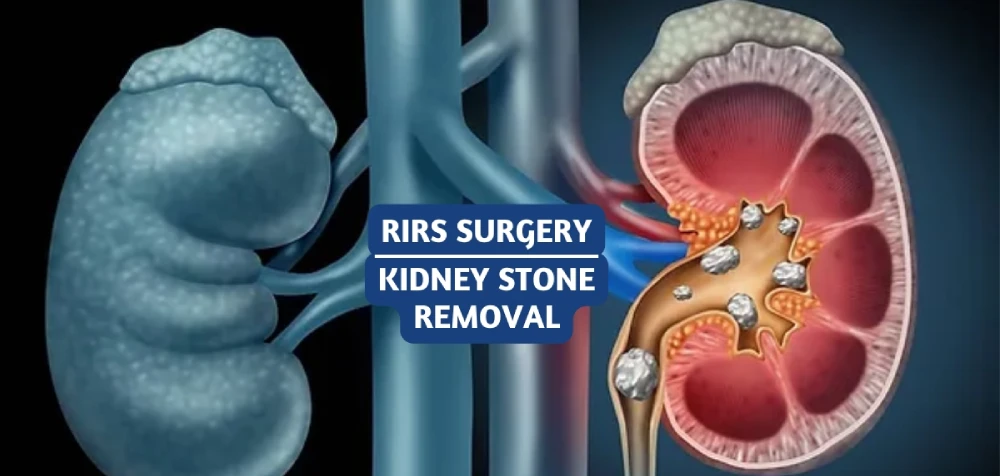
Kidney or Bladder Stones – Hard deposits that block urine flow or cause pain.
Enlarged Prostate (BPH) – A common cause of urinary difficulty in older men.
Overactive Bladder – Sudden, frequent urges to urinate due to bladder muscle overactivity.
Pelvic Floor Weakness – Can cause leakage or poor bladder control, especially in women post-pregnancy.
Neurological Disorders – Conditions like diabetes, stroke, or spinal injuries can affect bladder control.
Urethral Strictures – Narrowing of the urethra that restricts urine flow.
Urinary problems can vary based on their cause but often present with one or more of the following symptoms:
Burning sensation or pain while urinating
Frequent urge to urinate, even with little output
Difficulty starting or maintaining urine flow
Leakage or incontinence (uncontrolled urination)
Blood in urine (hematuria)
Pain in the lower abdomen, back, or sides
Cloudy or foul-smelling urine
You should consult Dr. Swapnil Gholap if you experience any of the following:
Recurrent urinary infections
Difficulty passing urine or weak urine stream
Persistent urinary leakage
Pain or burning during urination
Blood in the urine
Any unexplained lower abdominal or pelvic pain
Early evaluation helps prevent complications like kidney damage, chronic infections, or severe discomfort.
At Sara Aesthetic Clinic and Urology Centre, Dr. Gholap uses advanced diagnostic tools such as:
Urine analysis & culture tests
Ultrasound of the kidneys and bladder
Uroflowmetry (urine flow test)
Cystoscopy (bladder endoscopy)
CT or MRI scans, if required
These help identify the underlying cause accurately for targeted treatment.
Treatment depends on the cause and severity of the condition. Common approaches include:
Medication – Antibiotics for infections, alpha-blockers for prostate issues, or bladder relaxants for overactive bladder.
Lifestyle changes – Adequate hydration, reduced caffeine/alcohol, pelvic floor exercises, and timed voiding.
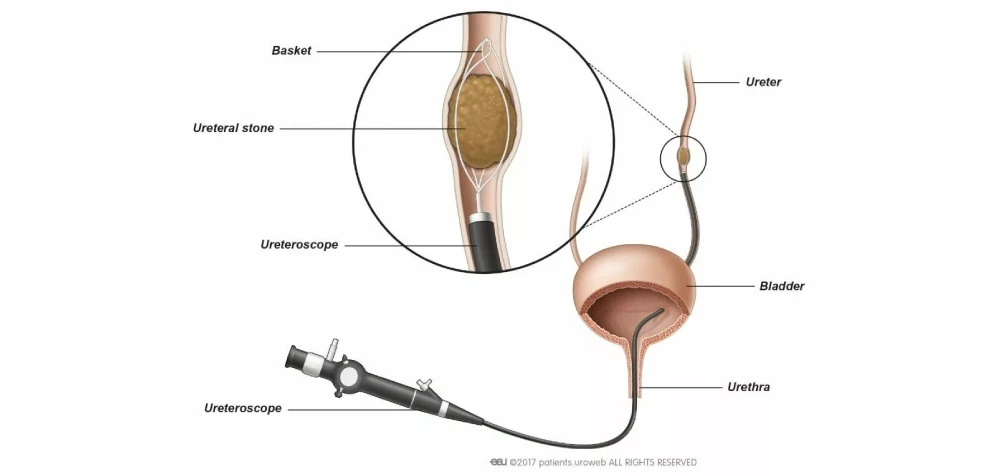
Minimally invasive procedures – Endoscopic stone removal, urethral dilation, or laser treatments.
Surgery – For structural abnormalities or prostate enlargement unresponsive to medications.
Dr. Gholap emphasizes personalized care with a focus on long-term comfort and quality of life.
Most patients recover quickly with proper medication and follow-up.
Maintain good hydration and hygiene to prevent recurrence.
Regular follow-ups ensure lasting urinary health and peace of mind.
1. Are urinary problems more common in women?
Yes, women are more prone to urinary tract infections due to a shorter urethra, but men often experience issues like prostate enlargement.
2. Can urinary infections be prevented?
Yes. Drinking plenty of water, maintaining good hygiene, and emptying the bladder regularly help reduce infection risk.
3. What causes frequent urination at night?
It can result from an overactive bladder, enlarged prostate, diabetes, or excessive fluid intake before bedtime.
4. Are urinary problems serious?
Some are mild and temporary, but persistent symptoms may indicate underlying conditions requiring medical attention.
5. When should I see a urologist?
If you have pain, blood in urine, or frequent infections, consult a urologist promptly for accurate diagnosis and relief.
Blogs Breast Reconstruction: Restoring Confidence After Cancer drritikabhandari • September 26, 2025 Introduction For many …
RIRS with laser removal What is RIRS (Retrograde Intrarenal Surgery)? RIRS (Retrograde Intrarenal Surgery) is …
PCNL (Percutaneous Nephrolithotomy) What is PCNL? PCNL (Percutaneous Nephrolithotomy) is an advanced minimally invasive surgical …
URS with laser removal What is URS (Ureteroscopy) with Laser Stone Removal? URS (Ureteroscopy) with …

Dr. Swapnil Gholap practice emphasizes accuracy in diagnosis, transparency in communication, and personalized treatment plans tailored to each patient’s needs.