Blogs Breast Reconstruction: Restoring Confidence After Cancer drritikabhandari • September 26, 2025 Introduction For many …
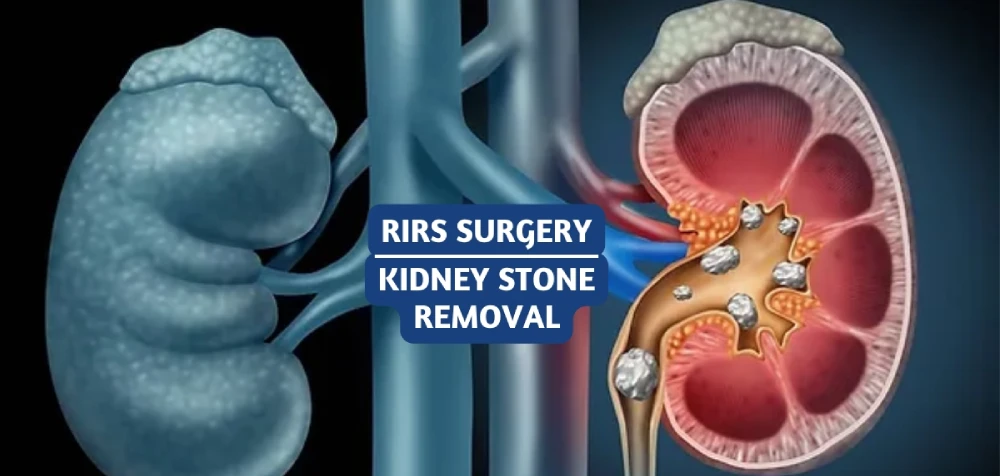
PCNL (Percutaneous Nephrolithotomy) is an advanced minimally invasive surgical procedure used to remove large or complex kidney stones directly from the kidney.
Instead of passing through the urinary tract, the surgeon creates a tiny keyhole incision in the back to access and remove the stones using a nephroscope and laser or ultrasonic energy.
Performed by Dr. Swapnil Gholap, an experienced urologist in Chembur, Mumbai, PCNL offers precise and effective stone removal with minimal pain, reduced recovery time, and excellent success rates.
PCNL is typically advised when:
Kidney stones are larger than 2 cm in size
Stones are multiple, complex, or staghorn-shaped
Stones cannot pass naturally or through other procedures (like RIRS or ESWL)
There is infection, obstruction, or kidney damage due to stones
Stones have recurred after previous surgeries
Kidney stones form when mineral salts in urine crystallize and accumulate inside the kidneys. Common causes include:
Insufficient fluid intake leading to concentrated urine
High sodium or oxalate diet
Family history of stones
Recurrent urinary infections
Obesity or metabolic disorders
Certain medications or supplements
Patients requiring PCNL may experience:
Sharp pain in the lower back or sides (flank pain)
Blood in urine (hematuria)
Nausea or vomiting due to obstruction
Burning sensation during urination
Frequent urinary tract infections
Fever or chills, if infection is present
1. Anesthesia & Positioning
The procedure is performed under general anesthesia. The patient is positioned to allow safe and accurate access to the kidney.
2. Keyhole Access
A small incision (about 1 cm) is made in the back to create a narrow tract into the kidney.
3. Stone Visualization & Removal
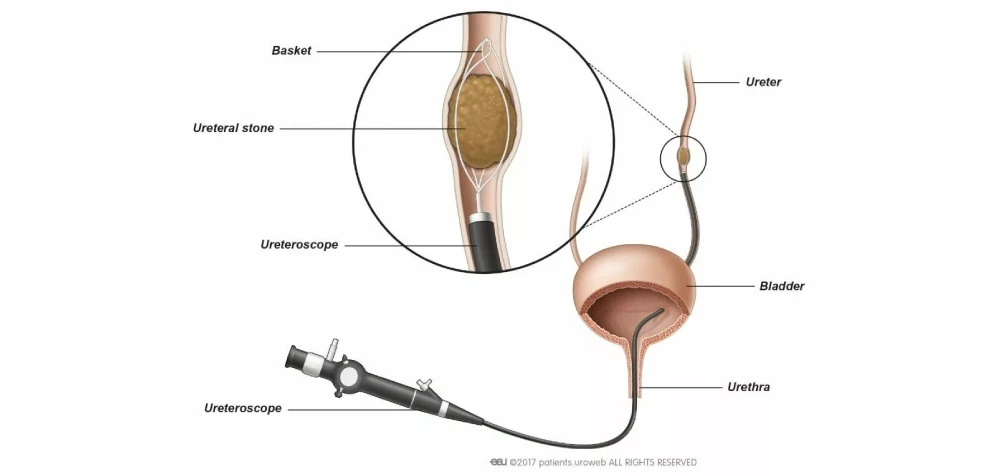
A nephroscope (thin tube with a camera) is inserted to visualize the stone.
The stone is then broken using laser or ultrasonic energy and fragments are removed through the tract.
4. Drainage Tube Placement
A temporary nephrostomy tube or stent may be placed to help urine drain and aid healing.
5. Recovery
The entire procedure usually takes 1–2 hours, depending on the stone size and number.
Effective removal of large and complex stones
Minimally invasive (tiny incision)
High success rate
Shorter hospital stay and faster recovery compared to open surgery
Minimal bleeding and postoperative pain
Excellent long-term outcomes with proper care
Hospital stay is usually 2–3 days.
Mild back discomfort or urine discoloration may occur temporarily.
Avoid strenuous activity for 1–2 weeks.
Drink plenty of water to prevent new stone formation.
Follow-up visit for stent or tube removal within 7–14 days.
Regular check-ups ensure kidney health and prevent recurrence.
1. Is PCNL a major surgery?
PCNL is a minimally invasive procedure, not an open surgery. The incision is very small, and recovery is much faster.
2. Is PCNL painful?
No. It is performed under anesthesia. Mild discomfort may occur after surgery, which is easily managed with medication.
3. How long is the recovery period?
Most patients resume normal activities within 7–10 days after discharge.
4. Will I have a visible scar?
Only a tiny scar (about 1 cm) remains at the incision site, which fades over time.
5. Can stones recur after PCNL?
Yes, stones can form again if dietary and lifestyle factors are not managed. Regular follow-ups and preventive care are essential.
Blogs Breast Reconstruction: Restoring Confidence After Cancer drritikabhandari • September 26, 2025 Introduction For many …
Urinary Problems in Male and Female Patients What Are Urinary Problems? Urinary problems refer to …
RIRS with laser removal What is RIRS (Retrograde Intrarenal Surgery)? RIRS (Retrograde Intrarenal Surgery) is …
URS with laser removal What is URS (Ureteroscopy) with Laser Stone Removal? URS (Ureteroscopy) with …

Dr. Swapnil Gholap practice emphasizes accuracy in diagnosis, transparency in communication, and personalized treatment plans tailored to each patient’s needs.