Blogs Breast Reconstruction: Restoring Confidence After Cancer drritikabhandari • September 26, 2025 Introduction For many …
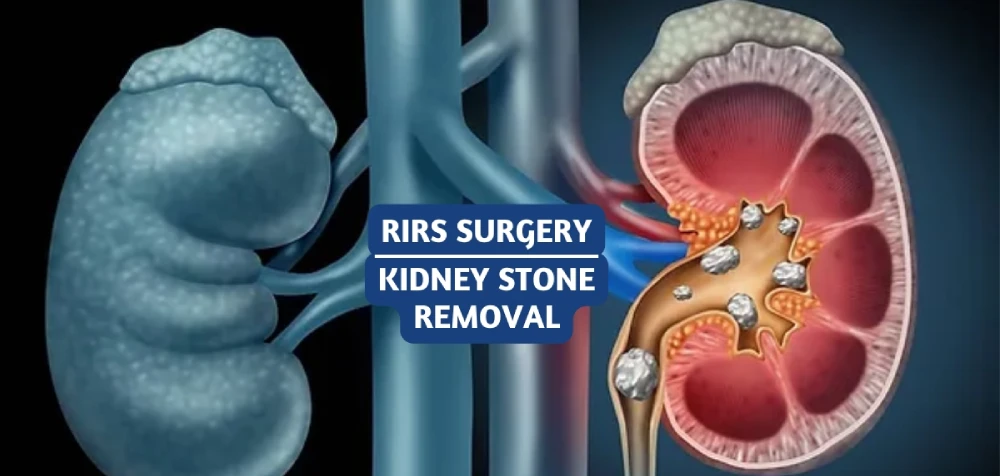
URS (Ureteroscopy) with Laser Stone Removal is a minimally invasive procedure used to treat stones in the ureter or kidney.
Using a thin, rigid or flexible ureteroscope, Dr. Swapnil Gholap visualizes the urinary tract through the natural passage without any cuts. A holmium laser is then used to break the stone into fine particles, which are removed or naturally passed in the urine.
This advanced treatment ensures quick recovery, minimal pain, and no external scars, making it an ideal option for patients with ureteric or small kidney stones.
URS with laser stone removal is usually advised in the following cases:
Stones located in the ureter or kidney (less than 1.5–2 cm)
Failed ESWL (Shock Wave Lithotripsy) or medical treatment
Severe pain, infection, or blockage due to stones
Single or multiple ureteral stones
Recurrent stones causing urinary obstruction
When a non-invasive approach is preferred
Kidney and ureteric stones form when certain minerals in urine crystallize and clump together. Common causes include:
Inadequate water intake
High salt, calcium, or oxalate diet
Recurrent urinary tract infections
Family history of kidney stones
Obesity or sedentary lifestyle
Certain medications or supplements
Patients who need URS often experience:
Severe flank or lower abdominal pain
Burning or pain during urination
Blood in urine (hematuria)
Frequent urge to urinate
Nausea or vomiting
Fever and chills, if infection develops
Urinary blockage or poor urine flow
1. Anesthesia & Preparation
The procedure is done under spinal or general anesthesia to ensure comfort.
2. Scope Insertion
A ureteroscope (thin telescope-like instrument) is gently passed through the urethra and bladder into the ureter.
3. Laser Fragmentation
A holmium laser is used to break the stone into tiny fragments or dust for easy removal.
4. Stent Placement
A temporary ureteral stent may be inserted to allow smooth urine drainage and promote healing.
5. Completion
The procedure typically takes 45–60 minutes, depending on stone size and location.
No cuts or external scars
Quick recovery and minimal pain
Safe for all age groups
Short hospital stay (often same-day discharge)
Effective even for hard or impacted stones
High success rate with low recurrence
Mild burning or blood-tinged urine may occur for 1–2 days.
Drink plenty of water to flush out fragments.
Avoid heavy activity for a few days.
Follow-up visit for stent removal after 7–14 days.
Resume work and normal routine within 2–3 days.
1. Is URS painful?
No. It is performed under anesthesia. Mild discomfort or burning sensation afterward is temporary and easily managed.
2. Will I need hospitalization?
Most patients are discharged on the same day or the next morning after observation.
3. Does URS cause scarring or cuts?
No external cuts are made; the procedure is entirely through the natural urinary passage.
4. How long does it take to recover?
Most patients recover within 2–3 days, with minimal restrictions.
5. Can stones come back after URS?
Yes, stones can recur if preventive measures aren’t followed. Hydration and dietary changes help reduce recurrence risk.
Blogs Breast Reconstruction: Restoring Confidence After Cancer drritikabhandari • September 26, 2025 Introduction For many …
Urinary Problems in Male and Female Patients What Are Urinary Problems? Urinary problems refer to …
RIRS with laser removal What is RIRS (Retrograde Intrarenal Surgery)? RIRS (Retrograde Intrarenal Surgery) is …
PCNL (Percutaneous Nephrolithotomy) What is PCNL? PCNL (Percutaneous Nephrolithotomy) is an advanced minimally invasive surgical …

Dr. Swapnil Gholap practice emphasizes accuracy in diagnosis, transparency in communication, and personalized treatment plans tailored to each patient’s needs.