Blogs Breast Reconstruction: Restoring Confidence After Cancer drritikabhandari • September 26, 2025 Introduction For many …
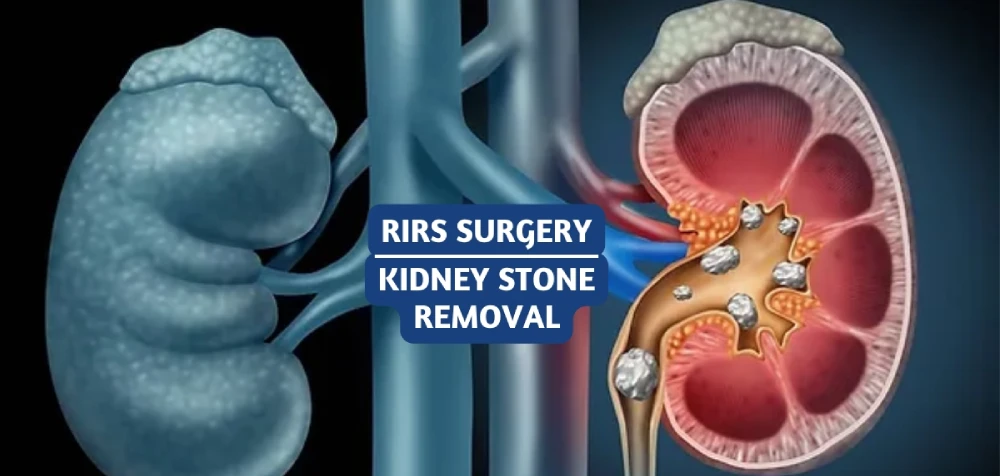
A ureteric stone is a hard deposit of minerals that forms in the kidney and travels down into the ureter — the narrow tube that carries urine from the kidney to the bladder. When the stone gets stuck, it can cause severe pain, blockage of urine flow, and even kidney damage if not treated promptly.
Dr. Swapnil Gholap, a leading urologist and kidney stone specialist in Mumbai, offers advanced diagnostic and minimally invasive treatments for ureteric stones, ensuring quick relief and complete recovery.
Ureteric stones can form due to several factors, including:
Dehydration – Not drinking enough water leads to concentrated urine and crystal formation.
Dietary habits – High intake of salt, animal protein, or oxalate-rich foods.
Genetic factors – Family history of kidney or ureteric stones.
Urinary tract infections (UTIs) – Chronic infections can promote stone formation.
Metabolic disorders – Such as high calcium or uric acid levels in the urine.
Symptoms may vary depending on the stone’s size and location, but commonly include:
Sharp, intense pain in the back, side, or lower abdomen (renal colic)
Blood in urine (hematuria)
Frequent urge to urinate or burning sensation during urination
Nausea and vomiting
Difficulty passing urine or reduced urine flow
Fever or chills (if infection is present)
Dr. Swapnil Gholap performs a thorough evaluation, including:
Ultrasound or CT Scan – To locate the stone and assess its size and position.
Urine and Blood Tests – To check for infection and metabolic abnormalities.
X-ray (KUB) – To detect radiopaque stones.
Treatment depends on the stone size, location, and symptoms:
Medical Management
Small stones (<5mm) may pass naturally with medication, hydration, and dietary changes.
Pain management and alpha-blockers (to relax ureter muscles) are commonly prescribed.
Minimally Invasive Procedures
URS (Ureteroscopy) with Laser Lithotripsy:
A thin scope is inserted through the urethra and bladder to reach the stone, which is then fragmented using a laser and removed safely.
RIRS (Retrograde Intrarenal Surgery):
For upper ureteric stones or those that have migrated into the kidney.
DJ Stenting:
A temporary stent may be placed to relieve obstruction and allow urine to flow freely.
Surgical Management
PCNL (Percutaneous Nephrolithotomy) or open surgery may be required for very large or complex stones not suitable for endoscopic removal.
Most minimally invasive stone removal procedures are day-care surgeries or require only 1 day of hospital stay.
Normal activities can usually resume within 2–5 days.
Hydration and periodic follow-ups are essential to prevent recurrence.
Dr. Gholap provides detailed dietary and lifestyle guidance to reduce future stone formation.
Expertise in laser and endoscopic stone removal
High success rate with minimal discomfort and scarring
Personalized treatment plans based on stone type and patient health
Comprehensive post-operative care and recurrence prevention
1. Can small ureteric stones pass on their own?
Yes, stones smaller than 5mm often pass naturally with adequate hydration and medication. However, medical supervision is advised to monitor movement and prevent complications.
2. Is laser treatment safe for stone removal?
Yes, laser lithotripsy is a highly effective and safe procedure that allows precise stone fragmentation without damaging surrounding tissues.
3. What is the recovery time after ureteroscopic stone removal?
Most patients return to normal activity within 2–3 days, depending on the stone size and overall condition.
4. Can ureteric stones cause kidney damage?
If untreated, a blocked ureter can cause pressure buildup in the kidney, leading to infection or damage. Prompt treatment prevents these complications.
5. How can I prevent ureteric stones in the future?
Stay hydrated, reduce salt and protein intake, and follow periodic urological check-ups. Dr. Gholap also provides tailored preventive diet plans for at-risk patients.
Blogs Breast Reconstruction: Restoring Confidence After Cancer drritikabhandari • September 26, 2025 Introduction For many …
Urinary Problems in Male and Female Patients What Are Urinary Problems? Urinary problems refer to …
RIRS with laser removal What is RIRS (Retrograde Intrarenal Surgery)? RIRS (Retrograde Intrarenal Surgery) is …
PCNL (Percutaneous Nephrolithotomy) What is PCNL? PCNL (Percutaneous Nephrolithotomy) is an advanced minimally invasive surgical …

Dr. Swapnil Gholap practice emphasizes accuracy in diagnosis, transparency in communication, and personalized treatment plans tailored to each patient’s needs.