Blogs Breast Reconstruction: Restoring Confidence After Cancer drritikabhandari • September 26, 2025 Introduction For many …
Open surgery in urology refers to traditional surgical procedures where a larger incision is made to directly access the affected organ — such as the kidney, bladder, prostate, or ureter. While minimally invasive and laser techniques are common today, open surgery is still the preferred choice for complex, large, or recurrent cases that cannot be effectively treated through endoscopic or laparoscopic methods.
It allows the surgeon to visualize and handle the internal organs directly, ensuring complete stone removal, tumor excision, or correction of anatomical defects with high precision.
Open surgery may be recommended for the following urological conditions:
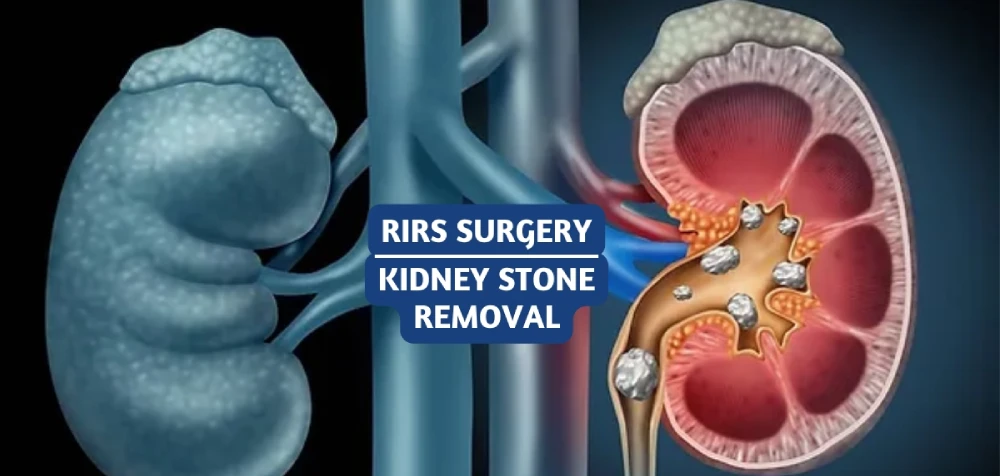
Large or complex kidney stones that cannot be removed via endoscopic or laser techniques
Bladder or kidney tumors requiring complete removal
Reconstructive urology procedures, such as ureteral reimplantation or bladder reconstruction
Enlarged prostate (BPH) not responding to medication or minimally invasive treatments
Severe urinary tract injuries or blockages
Congenital abnormalities requiring correction
Patients who might need open urological surgery often experience:
Persistent pain in the lower back or abdomen
Blood in urine (hematuria)
Difficulty or inability to urinate
Recurrent urinary tract infections
Swelling in the kidney area (hydronephrosis)
Unexplained weight loss or fatigue (in tumor-related cases)
Dr. Swapnil Gholap may recommend open surgery when:
The stone or tumor is too large for endoscopic or laser procedures
Scar tissue or previous surgeries prevent access via minimal methods
The patient has multiple or complex abnormalities requiring direct visualization
There is a need for precise reconstruction of urinary organs
Emergency situations such as trauma or severe infection demand open access
The steps in open urological surgery generally include:
Anesthesia – The procedure is performed under general anesthesia for comfort and safety.
Incision – A carefully planned incision is made near the affected organ (flank, lower abdomen, or pelvic area).
Surgical correction or removal – The surgeon removes stones, tumors, or damaged tissue, or reconstructs the affected organ.
Closure – The incision is closed with sutures, and drainage tubes may be placed if required.
Hospital stay – Most patients stay in the hospital for a few days for observation and pain management.
Hospitalization typically lasts 3–5 days, depending on the procedure.
Pain and swelling are managed with medications.
Normal activities can resume within 3–4 weeks after surgery.
Follow-up checkups ensure proper healing and monitor organ function.
Diet and hydration are adjusted as advised by your urologist.
1. Is open surgery still performed in modern urology?
Yes, while laser and endoscopic procedures are preferred, open surgery is still essential for complex, large, or recurrent cases where other methods are not feasible.
2. How long does recovery take after open surgery?
Most patients recover within 3–6 weeks, depending on the surgery type and overall health.
3. Will I have a visible scar?
Yes, a small scar remains at the incision site, but with proper care, it fades significantly over time.
4. Is open surgery painful?
Pain is well-managed with medications. Patients usually experience mild to moderate discomfort during recovery, which improves steadily.
5. Are there any risks involved?
As with any surgery, risks include infection, bleeding, or delayed healing, but these are minimized under expert surgical care and proper aftercare.
Blogs Breast Reconstruction: Restoring Confidence After Cancer drritikabhandari • September 26, 2025 Introduction For many …
Urinary Problems in Male and Female Patients What Are Urinary Problems? Urinary problems refer to …
RIRS with laser removal What is RIRS (Retrograde Intrarenal Surgery)? RIRS (Retrograde Intrarenal Surgery) is …
PCNL (Percutaneous Nephrolithotomy) What is PCNL? PCNL (Percutaneous Nephrolithotomy) is an advanced minimally invasive surgical …

Dr. Swapnil Gholap practice emphasizes accuracy in diagnosis, transparency in communication, and personalized treatment plans tailored to each patient’s needs.