Blogs Breast Reconstruction: Restoring Confidence After Cancer drritikabhandari • September 26, 2025 Introduction For many …
Urological endoscopy is a minimally invasive diagnostic and treatment procedure that allows direct visualization of the urinary tract using a thin, flexible tube called an endoscope.
It helps detect, evaluate, and treat various urinary conditions affecting the kidney, ureter, bladder, and urethra — without the need for open surgery.
Endoscopy enables precise diagnosis and targeted treatment, leading to faster recovery, minimal pain, and fewer complications compared to traditional surgical methods.
Urological endoscopy includes several specialized procedures:
Cystoscopy – Examination of the bladder and urethra to detect stones, tumors, or infections.
Ureteroscopy (URS) – Inspection and treatment of stones or strictures in the ureter.
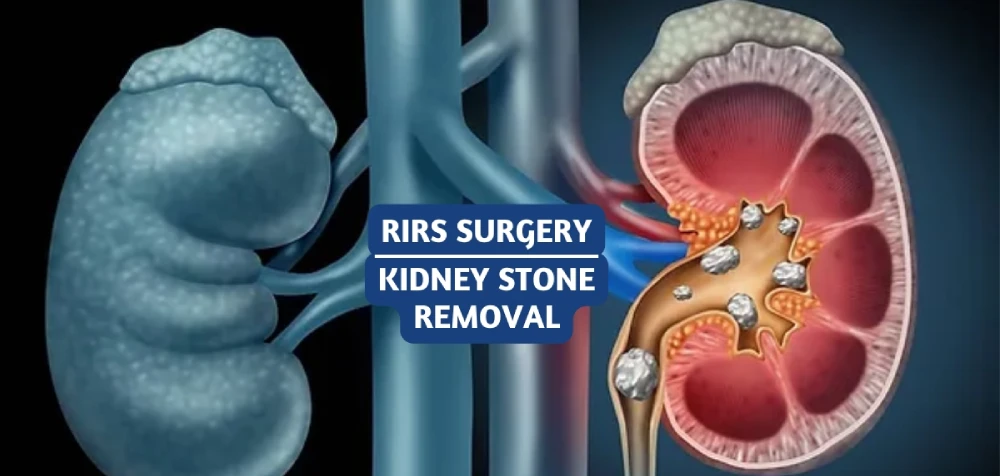
Pyeloscopy – Used for kidney stones or upper urinary tract issues.
Transurethral procedures (TURP/TUIP) – Endoscopic surgeries for enlarged prostate (BPH).
Dr. Swapnil Gholap may recommend an endoscopic procedure for:
Kidney, ureter, or bladder stones
Frequent urinary tract infections (UTIs)
Blood in urine (hematuria)
Bladder or urethral strictures (narrowing)
Prostate enlargement (BPH)
Tumors or abnormal growths in urinary tract
Persistent urinary pain or obstruction
Urological endoscopy is recommended when:
Non-invasive imaging (like ultrasound or CT) is inconclusive
Urinary symptoms persist despite medication
Stone removal or biopsy is required
There is suspicion of tumor or abnormal tissue growth
The patient needs precise, minimally invasive treatment
Anesthesia – Depending on the type of endoscopy, it may be performed under local, spinal, or general anesthesia.
Endoscope insertion – The endoscope is gently inserted through the urethra to access the urinary tract.
Diagnosis or treatment – The doctor can visualize the organs, remove stones, take biopsies, or perform laser treatments if needed.
Outpatient basis – Most endoscopic procedures are day-care surgeries and do not require a hospital stay.
Mild burning or blood in urine may occur temporarily.
Hydrate well to flush out the urinary tract.
Avoid strenuous activity for 2–3 days.
Follow-up visits ensure proper healing and results.
Resume normal activities within 24–48 hours (as advised by the doctor).
1. Is endoscopy painful?
No. The procedure is performed under anesthesia, ensuring a comfortable and pain-free experience. Mild discomfort may occur afterward but resolves quickly.
2. How long does the procedure take?
Most endoscopic urological procedures take 20–45 minutes, depending on the condition being treated.
3. Is hospitalization required?
Usually not. Most patients go home the same day after a short observation period.
4. Can endoscopy remove stones?
Yes. Laser-assisted endoscopy can safely break and remove stones from the ureter, bladder, or kidney without open surgery.
5. How soon can I resume normal activities?
Most patients return to work or normal routine within 1–2 days, depending on the procedure type and recovery speed.
Blogs Breast Reconstruction: Restoring Confidence After Cancer drritikabhandari • September 26, 2025 Introduction For many …
Urinary Problems in Male and Female Patients What Are Urinary Problems? Urinary problems refer to …
RIRS with laser removal What is RIRS (Retrograde Intrarenal Surgery)? RIRS (Retrograde Intrarenal Surgery) is …
PCNL (Percutaneous Nephrolithotomy) What is PCNL? PCNL (Percutaneous Nephrolithotomy) is an advanced minimally invasive surgical …

Dr. Swapnil Gholap practice emphasizes accuracy in diagnosis, transparency in communication, and personalized treatment plans tailored to each patient’s needs.