Blogs Breast Reconstruction: Restoring Confidence After Cancer drritikabhandari • September 26, 2025 Introduction For many …
Ureteric reimplantation, also known as ureteroneocystostomy, is a surgical procedure to correct abnormal or damaged connections between the ureter and the bladder. The surgery involves repositioning (reimplanting) the ureter into a new location in the bladder to restore normal urine flow and prevent backflow (reflux) or blockage.
Dr. Swapnil Gholap performs both open and laparoscopic ureteric reimplant surgeries, offering patients faster recovery, minimal pain, and excellent long-term outcomes.
Ureteric reimplantation is often required when the natural connection between the ureter and bladder is not functioning properly. Common causes include:
Vesicoureteral reflux (VUR) – backward flow of urine from the bladder into the kidneys
Ureteric stricture or obstruction – due to scarring, stones, or injury
Post-surgical complications – following gynecological or urological surgery
Congenital abnormalities – in children with defective ureter-bladder junction
Injury or trauma to the lower ureter
Patients who may need ureteric reimplant surgery often experience:
Recurrent urinary tract infections (UTIs)
Pain or burning while urinating
Flank or lower abdominal pain
Blood in urine (hematuria)
Urinary reflux or leakage
Swelling of kidneys (hydronephrosis) detected on imaging
Dr. Swapnil Gholap may suggest ureteric reimplantation if:
There is persistent vesicoureteral reflux (VUR) not responding to medical treatment
Ureteric injury or stricture near the bladder causes blockage
Recurrent UTIs occur due to backflow of urine
The ureter has been damaged during surgery
Imaging shows hydronephrosis due to lower ureteral obstruction
Anesthesia – The procedure is performed under general anesthesia.
Approach – Can be done laparoscopically or via open surgery, depending on the case.
Reimplantation – The surgeon disconnects the ureter from its abnormal position and reattaches it to a healthier part of the bladder wall.
Stent Placement – A temporary stent is placed inside the ureter to keep it open during healing.
Duration – The procedure typically takes 2–3 hours, depending on complexity.
Hospital stay – Usually 2–4 days for monitoring and recovery.
Stent removal – After 3–4 weeks, once healing is confirmed.
Pain management – Mild discomfort is expected but controlled with medications.
Hydration – Drink plenty of fluids to flush the urinary tract.
Follow-up tests – Ultrasound or CT scan ensures normal urine drainage and kidney function.
Return to normal activities – Usually within 2–3 weeks after surgery.
1. Is ureteric reimplantation a major surgery?
Yes, it is a specialized surgery, but with minimally invasive techniques, recovery is faster and hospital stay is shorter.
2. What is the success rate of ureteric reimplantation?
The procedure has a success rate of over 95%, especially for correcting reflux and lower ureteric blockages.
3. Will I have a visible scar?
With laparoscopic or robotic approaches, scarring is minimal and cosmetic results are excellent.
4. How long does the stent stay inside?
The stent is typically removed after 3–4 weeks, depending on healing progress.
5. Can reflux or blockage return after surgery?
Recurrence is rare when the surgery is performed by an experienced urologist, but periodic follow-ups are essential to ensure normal drainage.
Blogs Breast Reconstruction: Restoring Confidence After Cancer drritikabhandari • September 26, 2025 Introduction For many …
Urinary Problems in Male and Female Patients What Are Urinary Problems? Urinary problems refer to …
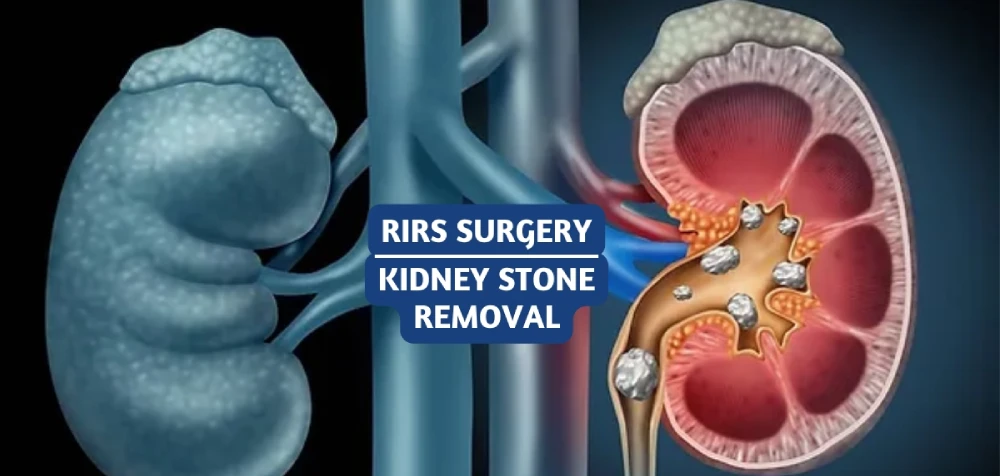
RIRS with laser removal What is RIRS (Retrograde Intrarenal Surgery)? RIRS (Retrograde Intrarenal Surgery) is …
PCNL (Percutaneous Nephrolithotomy) What is PCNL? PCNL (Percutaneous Nephrolithotomy) is an advanced minimally invasive surgical …

Dr. Swapnil Gholap practice emphasizes accuracy in diagnosis, transparency in communication, and personalized treatment plans tailored to each patient’s needs.