Blogs Breast Reconstruction: Restoring Confidence After Cancer drritikabhandari • September 26, 2025 Introduction For many …
Orchidectomy, also known as orchiectomy, is a surgical procedure performed to remove one or both testicles. It is commonly done to treat testicular cancer, severe trauma, chronic infection, undescended testis (in adults), or as part of hormonal therapy for prostate cancer.
At Sara Aesthetic Clinic and Urology Centre, Dr. Swapnil Gholap performs laparoscopic and open orchidectomy with precision and care, ensuring safe outcomes, minimal discomfort, and faster recovery.
Orchidectomy may be advised in the following cases:
Testicular cancer (most common reason)
Severe infection or abscess not responding to medication
Torsion of testis (when blood flow cannot be restored)
Injury or trauma to the testis
Hormone therapy for advanced prostate cancer
Undescended or non-functional testis in adults
Simple Orchidectomy – Removal of one or both testicles through a small incision in the scrotum; often for benign conditions or prostate cancer management.
Radical Inguinal Orchidectomy – Performed through an incision in the groin for testicular cancer to prevent cancer spread.
Bilateral Orchidectomy – Removal of both testicles, typically for advanced prostate cancer or certain hormonal conditions.
The procedure is performed under spinal or general anesthesia.
A small incision is made either in the groin or scrotum, depending on the condition. The affected testis is carefully removed along with the spermatic cord if needed. If cancer is suspected, tissue samples are sent for histopathological examination.
In selected cases, testicular prosthesis (implant) may be offered for cosmetic restoration.
Definitive treatment for testicular cancer or disease
Minimally invasive and quick recovery
Prevents cancer spread in early stages
Effective hormonal control in prostate cancer
Option for testicular prosthesis for cosmetic appearance
Most patients are discharged within 24 hours.
Mild discomfort and swelling may persist for a few days and can be managed with medication.
Avoid strenuous activity or heavy lifting for 2–3 weeks.
Follow-up visits help monitor healing and hormonal balance.
If one testis remains, normal fertility and testosterone levels are usually maintained.
With advanced training in urological and laparoscopic surgeries, Dr. Swapnil Gholap provides comprehensive evaluation and precision-based surgical care for testicular conditions. His patient-focused approach ensures both physical recovery and emotional comfort throughout the treatment process.
Blogs Breast Reconstruction: Restoring Confidence After Cancer drritikabhandari • September 26, 2025 Introduction For many …
Urinary Problems in Male and Female Patients What Are Urinary Problems? Urinary problems refer to …
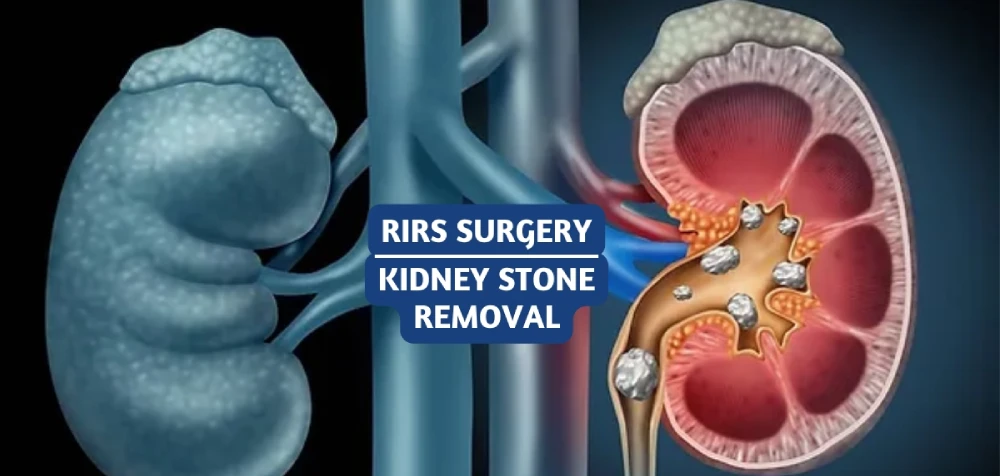
RIRS with laser removal What is RIRS (Retrograde Intrarenal Surgery)? RIRS (Retrograde Intrarenal Surgery) is …
PCNL (Percutaneous Nephrolithotomy) What is PCNL? PCNL (Percutaneous Nephrolithotomy) is an advanced minimally invasive surgical …

Dr. Swapnil Gholap practice emphasizes accuracy in diagnosis, transparency in communication, and personalized treatment plans tailored to each patient’s needs.