Blogs Breast Reconstruction: Restoring Confidence After Cancer drritikabhandari • September 26, 2025 Introduction For many …
A urinary tract infection (UTI) occurs when bacteria enter and multiply in any part of the urinary system — including the kidneys, ureters, bladder, or urethra. While most infections are easily treated, some patients experience recurrent UTIs, which are defined as two or more infections within six months or three or more within a year.
Recurrent UTIs can affect both men and women, though women are more prone due to anatomical factors. Dr. Swapnil Gholap provides expert diagnosis and personalized treatment plans to manage and prevent repeated infections, restoring comfort and urinary health.
Recurrent urinary infections can occur due to multiple reasons:
Incomplete bladder emptying or urinary retention
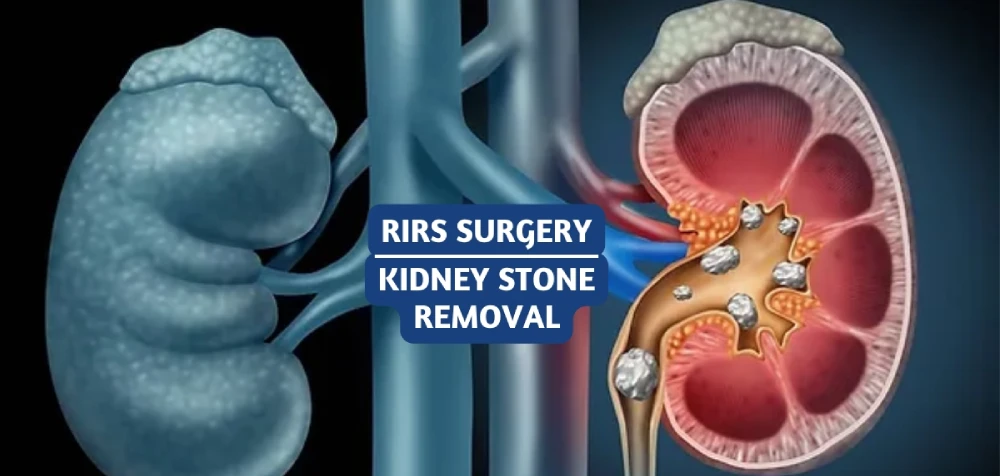
Kidney stones or urinary tract blockages
Enlarged prostate (BPH) in men
Postmenopausal changes in women leading to reduced estrogen levels
Uncontrolled diabetes, which weakens immunity
Poor hygiene practices or use of irritants in the genital area
Sexual activity, especially in women
Structural abnormalities or urethral strictures
Frequent urge to urinate, often with small volumes
Burning sensation or pain during urination
Cloudy, strong-smelling, or blood-tinged urine
Lower abdominal or back pain
Feeling of incomplete bladder emptying
Fever or chills in severe or upper tract infections
To identify the root cause, Dr. Swapnil Gholap performs a thorough evaluation which may include:
Urine routine and culture to detect bacterial growth
Ultrasound or CT scan to assess kidneys, bladder, and urethra
Cystoscopy for internal visualization of the bladder
Urodynamic studies if bladder function abnormalities are suspected
The treatment approach focuses on both managing infection and preventing recurrence.
Targeted antibiotic therapy based on urine culture reports
Prophylactic low-dose antibiotics in selected cases
Pain relief and hydration therapy for symptom management
Removal of kidney stones or urinary obstructions
Treatment of prostate enlargement in men
Correction of urethral stricture or anatomical issues
Hormone therapy for postmenopausal women when indicated
Drink 2–3 liters of water daily
Practice good genital hygiene
Avoid delaying urination
Urinate after sexual intercourse
Avoid irritants such as strong soaps or bubble baths
With specialized expertise in urinary infections and reconstructive urology, Dr. Swapnil Gholap provides advanced evaluation and targeted management to prevent recurrent infections. His patient-centric approach ensures accurate diagnosis, quick relief, and long-term urinary health.
1. Why do I keep getting urinary infections repeatedly?
Recurrent UTIs often occur due to untreated underlying causes such as stones, incomplete bladder emptying, or structural abnormalities. Proper evaluation helps identify and treat the source.
2. Can recurrent UTIs cause kidney damage?
Yes, repeated or untreated infections can spread to the kidneys, potentially causing scarring or chronic kidney disease. Early diagnosis is crucial.
3. Are women more prone to UTIs than men?
Yes. Due to a shorter urethra and proximity to the rectum, women are more likely to develop infections, especially after menopause or sexual activity.
4. How can I prevent frequent UTIs?
Stay hydrated, maintain hygiene, urinate after intercourse, avoid holding urine, and treat any bladder outlet obstruction or prostate issue promptly.
5. When should I see a urologist?
If you experience two or more infections in six months or three or more in a year, consult a urologist like Dr. Swapnil Gholap for a thorough assessment and tailored treatment.
Blogs Breast Reconstruction: Restoring Confidence After Cancer drritikabhandari • September 26, 2025 Introduction For many …
Urinary Problems in Male and Female Patients What Are Urinary Problems? Urinary problems refer to …
RIRS with laser removal What is RIRS (Retrograde Intrarenal Surgery)? RIRS (Retrograde Intrarenal Surgery) is …
PCNL (Percutaneous Nephrolithotomy) What is PCNL? PCNL (Percutaneous Nephrolithotomy) is an advanced minimally invasive surgical …

Dr. Swapnil Gholap practice emphasizes accuracy in diagnosis, transparency in communication, and personalized treatment plans tailored to each patient’s needs.